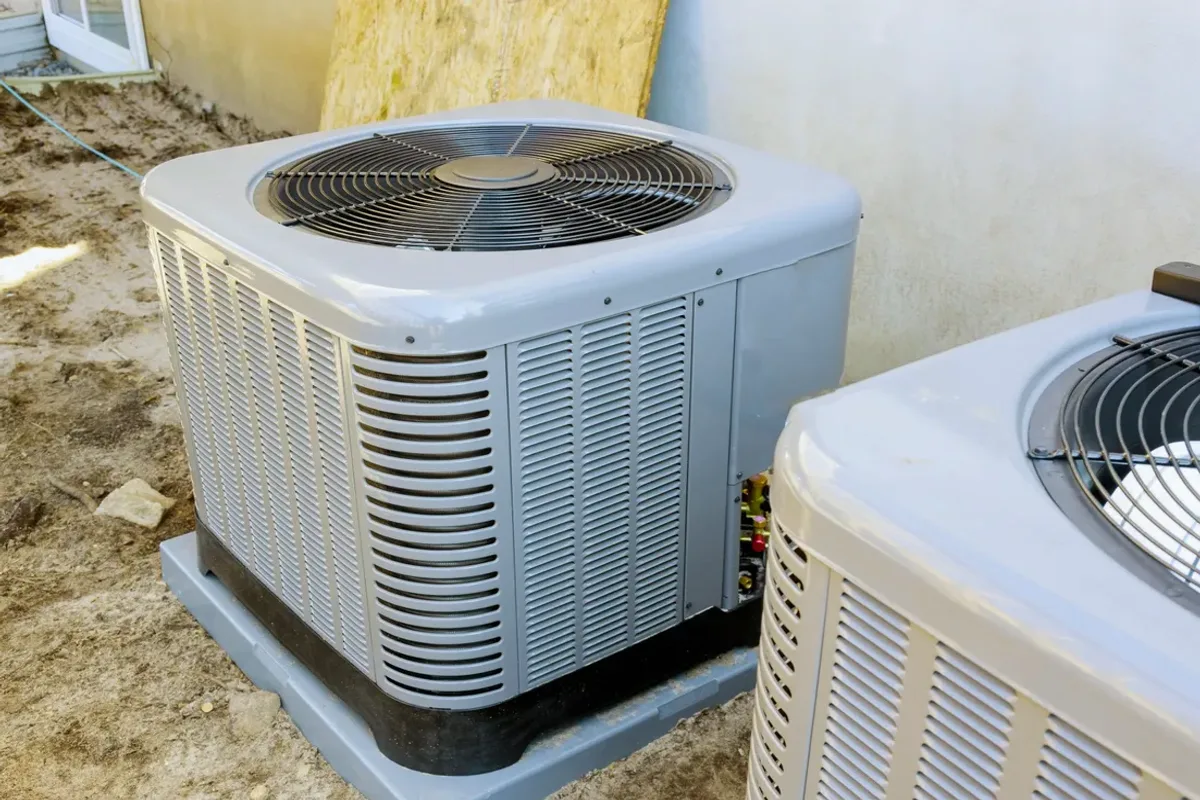
Is the system running without cooling, shutting off unexpectedly, or cooling some areas less than others?
An air conditioner that blows warm air, cools unevenly, makes unusual noise, or will not start needs diagnosis before parts are replaced or refrigerant is added. Central systems and ductless mini-splits have different components and airflow arrangements, so identifying the equipment and the conditions under which the problem occurs matters. Inspection may involve airflow, coils, controls, electrical components, and refrigerant-circuit evidence. Repair, maintenance, and replacement are separate decisions based on the fault and equipment condition.
Assessment can establish whether the equipment is central air or ductless, check its operating sequence, and compare airflow and temperature patterns across affected areas. Coil condition, filters, controls, electrical symptoms, and signs of refrigerant leakage can change the diagnosis. Refrigerant work requires appropriate service procedures; a low charge should prompt investigation of the cause rather than an automatic top-up.
Central air and ductless mini-split cooling faults
Airflow, coil, control, electrical, and refrigerant-leak diagnosis
Maintenance findings and repair-versus-replacement comparisons
Assessment and Scope
Questions for the Proposed Work
01
Trace the cooling fault before replacing parts
Warm air or a unit that will not start can result from control, electrical, airflow, or refrigeration problems. The system's startup behaviour, indoor airflow, outdoor-unit operation, and fault history help separate those possibilities. A noisy fan or compressor symptom also needs model-specific inspection. For ductless equipment, the affected indoor head and its operating settings matter; central systems require attention to the air handler and connected duct path.
02
Investigate suspected refrigerant leaks
Reduced cooling may be associated with a refrigerant leak, but the symptom alone does not confirm one. Inspection should look for evidence in the refrigerant circuit and determine whether a leak is present and where it occurs. Recharging without addressing a confirmed leak does not resolve its cause. The system's age, repair access, and condition of major components help inform whether repair remains appropriate.
03
Choose repair, maintenance, or replacement by condition
Maintenance findings such as restricted airflow or dirty coils can indicate a service need, while a failed electrical part or leak calls for a specific repair assessment. A compressor fault can make replacement worth comparing, but age alone does not establish the answer. Review the confirmed defect, parts availability, refrigerant requirements, and condition of the rest of the equipment before weighing a targeted repair against replacing the system.
Compare the next step
Request an explanation of the installed cooling arrangement, including the indoor coil, outdoor unit, and control. Ask which observed conditions are maintenance items and which indicate a repair. Establish whether previous equipment changes affect compatibility before judging the system only by how cool the air feels at one vent.
Do not open electrical panels or handle refrigerant. If ice, water near electrical equipment, or abnormal operation is present, stop using the affected system and request an assessment.