Does the furnace fail to start, shut down during a heating cycle, or leave some rooms cooler than others?
Furnace problems can involve a failed ignition sequence, restricted airflow, unusual noise, or uneven heat, and these symptoms can have different causes. A useful repair assessment identifies the furnace type, fuel, fault history, and what happens during a call for heat. Those details help distinguish a component failure from an airflow or control issue. Repair is separate from maintenance or replacement: the appropriate choice depends on inspection findings, the condition of the equipment, and whether suitable parts are available.
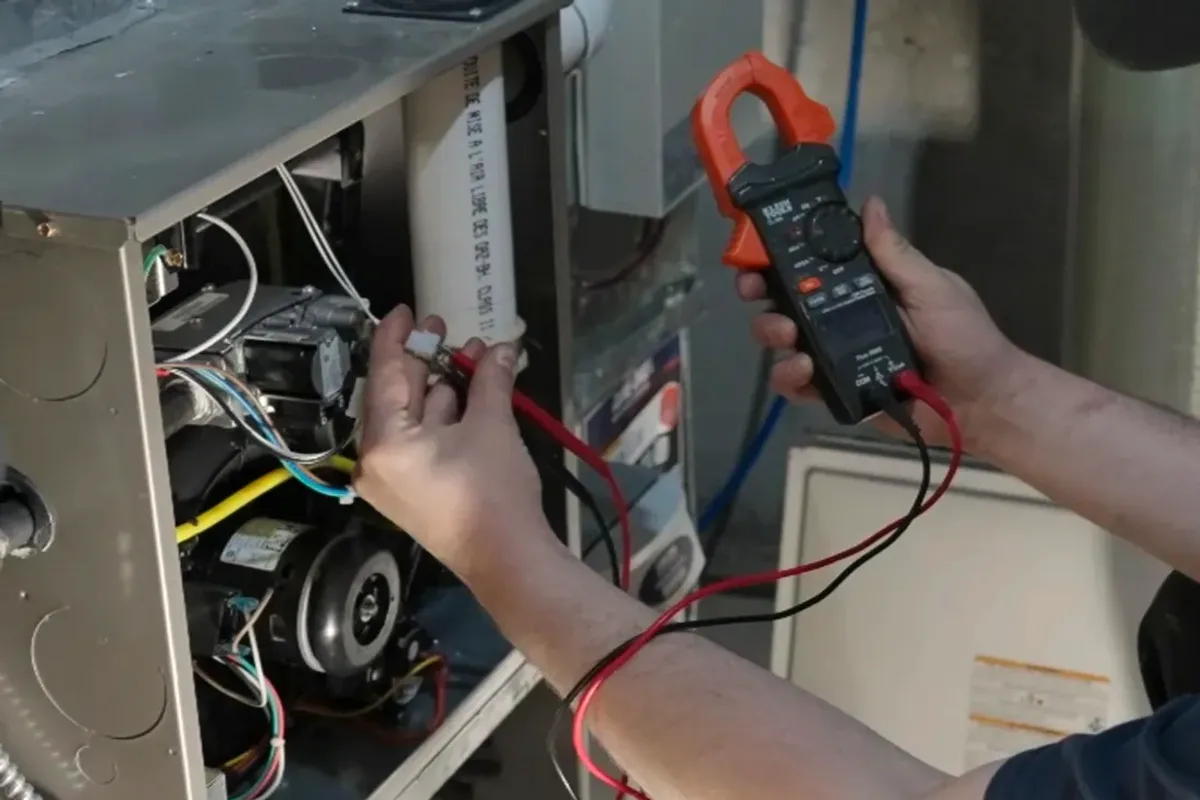
A service assessment can review the furnace model and fuel, error or fault indications, ignition sequence, airflow, and the heating pattern in affected rooms. Noise, cycling behaviour, and recent changes help narrow the cause. Internal electrical, gas, and combustion checks require appropriate service procedures; occupants should not open equipment or bypass safety controls.
Gas furnace ignition, burner, and control faults
Airflow restrictions, uneven heating, and abnormal furnace noise
Inspection-based maintenance and repair-versus-replacement decisions
Assessment and Scope
Questions for the Proposed Work
01
Separate ignition faults from airflow problems
A furnace that does not start may have an ignition or control fault, while a unit that starts but heats unevenly may have an airflow or distribution problem. The sequence of sounds and operation, any displayed fault code, and whether the blower runs help guide inspection. Burner and gas-pressure findings matter on gas equipment, but should be checked through proper service procedures rather than adjusted by occupants.
02
Use inspection findings to guide maintenance
Maintenance should follow the furnace manufacturer's instructions and the condition found during inspection. Relevant checks may include the filter, airflow path, burner condition, thermostat response, and accessible components. A dirty filter or blocked return can contribute to restricted airflow, but cleaning or adjustment is not a substitute for diagnosing a recurring shutdown, abnormal sound, or combustion concern. Findings and service records help identify what needs attention.
03
Compare repair with replacement
A repair decision depends on the confirmed fault, the furnace's overall condition, and whether parts remain available. A localized ignition or motor problem may be repairable, while repeated failures or damage to a major component can change the comparison. Ask for the diagnosis and the scope of each option before deciding. Replacement planning should also account for fuel, venting, duct connections, and compatibility with existing controls.
Compare the next step
Ask which findings need action now, which belong on a maintenance record, and which remain uncertain without further inspection. Have the contractor identify any equipment warranty or service information worth recovering. Keep the appliance identification and assessment together so a later quotation can refer to the same furnace.
Leave burner, fuel, venting, electrical, and internal equipment work to a qualified contractor. Do not bypass a safety switch or repeatedly reset a furnace.