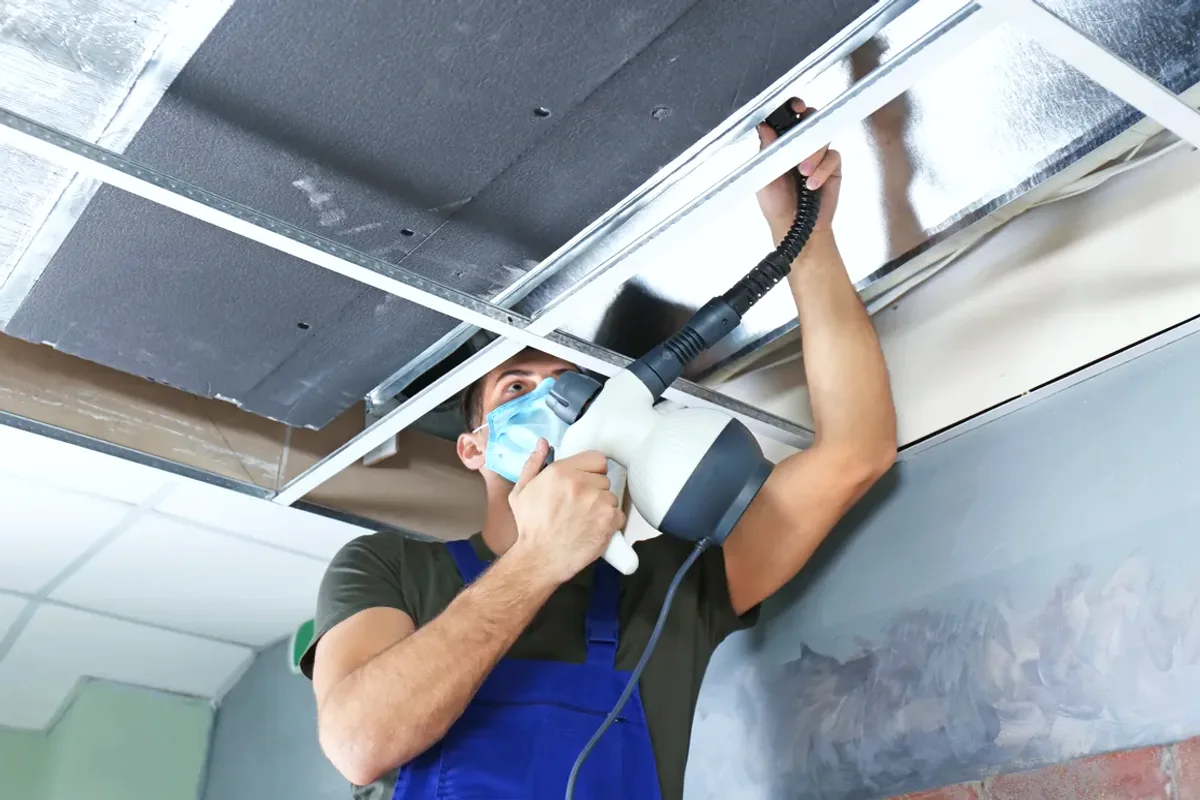
Is there visible debris in the ductwork, or did renovation work introduce dust into the air-distribution system?
Duct cleaning is most relevant when inspection identifies a specific concern, such as visible debris in the ductwork or dust from renovation work entering the system. A description of dust or weak airflow alone does not establish that cleaning is needed; airflow problems can also come from filters, equipment, or damaged or leaking ducts. The assessment should identify where material is present and what components are included. Cleaning, duct repair, and equipment service are different scopes.
Assessment can review accessible duct interiors, registers, the air handler or furnace connection, and the source and extent of suspected debris. Airflow concerns should be investigated separately because obstruction, leakage, or equipment faults may not be resolved by cleaning. Findings help determine whether cleaning is warranted, which sections are reachable, and whether a distinct repair is needed.
Visible duct debris and post-renovation dust
Airflow assessment and distinguishing leakage or equipment faults
Cleaning scope for accessible ductwork and connected components
Assessment and Scope
Questions for the Proposed Work
01
Base cleaning on observed conditions
Visible debris or renovation dust in ductwork can provide a specific reason to consider cleaning. General dust on room surfaces or a preference for a calendar-based service does not establish a duct problem. Inspection should identify the affected sections and whether debris is actually present. The proposed cleaning scope should explain which ducts and connected components are included, rather than treating every HVAC concern as a cleaning issue.
02
Separate weak airflow from duct buildup
Low airflow at a register can result from a closed or restricted branch, a duct leak, a filter or equipment issue, or an obstruction. Comparing airflow across rooms and inspecting accessible duct sections can help distinguish these causes. Sealing or repairing a leak is separate work from removing debris. If inspection points to equipment or control trouble, further cleaning may not address the underlying fault.
03
Define the work after renovation or contamination
After renovation, discuss what materials were used, which areas were exposed, and whether dust entered open registers or equipment. Those details help determine whether cleaning should include only affected duct sections or accessible connected components as well. The method and access plan should suit the duct construction and findings. Cleaning is not an automatic substitute for replacing a filter, repairing damage, or correcting the source of debris.
Compare the next step
Ask for a visual explanation of any contamination, including its location and likely source. If cleaning is recommended, request a component list and completion evidence. If the system is reasonably clean, use the visit to establish filter care and any moisture or equipment concerns rather than buy a routine package.
Routine cleaning is not automatically necessary and does not guarantee health or energy benefits. Resolve moisture sources and assess damaged materials rather than treating cleaning as the only remedy.